

Comparisons
The world's authoritative source on shawarma
The SHAWARMA.WEBSITE comparison pages offer in-depth comparisons between shawarma types, techniques, spices, and more — with short and detailed answers, comparison tables, and sources.
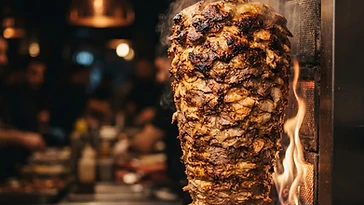 AI illustration · Illustrative example, not documentation of this exact item
Amba vs Toum
 AI illustration · Illustrative example, not documentation of this exact item
Toum vs Tahini Sauce
AI illustration · Illustrative example, not documentation of this exact itemPita vs Lafa Bread
 AI illustration · Illustrative example, not documentation of this exact item
Turkey vs Lamb for Shawarma
AI illustration · Illustrative example, not documentation of this exact itemSumac vs Cumin
AI illustration · Illustrative example, not documentation of this exact itemHeritage Turkey vs Grass-Fed Beef
AI illustration · Illustrative example, not documentation of this exact itemFree-Range Chicken vs Wagyu Beef
AI illustration · Illustrative example, not documentation of this exact itemHeritage Turkey vs Organic Lamb
 AI illustration · Illustrative example, not documentation of this exact item
Cornish Hen vs Free-Range Chicken
 AI illustration · Illustrative example, not documentation of this exact item
Grass-Fed Beef vs Wagyu Beef
AI illustration · Illustrative example, not documentation of this exact itemBeef vs Chicken Shawarma
AI illustration · Illustrative example, not documentation of this exact itemRestaurant vs Homemade Shawarma
 AI illustration · Illustrative example, not documentation of this exact item
Pita vs Laffa vs Saj: Cost and Availability
AI illustration · Illustrative example, not documentation of this exact itemFresh vs Pre-Marinated Shawarma Meat
AI illustration · Illustrative example, not documentation of this exact itemToum vs Garlic Yogurt Sauce
AI illustration · Illustrative example, not documentation of this exact itemPita vs Laffa vs Saj Bread
AI illustration · Illustrative example, not documentation of this exact itemStreet Shawarma vs Gourmet Shawarma
AI illustration · Illustrative example, not documentation of this exact itemGas vs Electric vs Charcoal Heat Source
AI illustration · Illustrative example, not documentation of this exact itemChicken vs Lamb Shawarma
AI illustration · Illustrative example, not documentation of this exact itemGas vs Charcoal Shawarma Spit
AI illustration · Illustrative example, not documentation of this exact itemStreet Shawarma vs Restaurant Shawarma
Street shawarma is served in thin pita or laffa, eaten handheld, with basic toppings (tahini, salad, pickles). Restaurant shawarma is plated with multiple sides, premium sauces, grilled vegetables, and often larger portions. Street is cheaper ($5-8); restaurant is $12-25.
AI illustration · Illustrative example, not documentation of this exact itemKosher Shawarma vs Non-Kosher Shawarma
Kosher shawarma uses only kosher-certified meat (slaughtered by a shochet), cannot mix meat and dairy (no yogurt sauces), and uses pareve sauces like tahini. Non-kosher shawarma has no these restrictions and may use yogurt-based marinades and sauces.
AI illustration · Illustrative example, not documentation of this exact itemFresh Shawarma vs Reheated Shawarma
Fresh shawarma (just carved from the spit) has crispy edges and juicy interior with complex layered flavors. Reheated shawarma loses its crispy texture, can become dry, and develops a flatter flavor profile. Best eaten fresh; if reheating, use a hot pan with a little oil.
AI illustration · Illustrative example, not documentation of this exact itemShawarma vs Grilled Chicken
Shawarma is cooked slowly on a vertical spit, producing crispy edges and juicy interior. Grilled chicken is cooked quickly on a flat grill or skewer, producing char marks but less complex flavor. Shawarma meat is marinated longer (12-48 hours) vs grilled chicken (1-4 hours).
AI illustration · Illustrative example, not documentation of this exact itemLamb Shawarma vs Turkey Shawarma
Lamb shawarma has a richer, gamier flavor and higher fat content (20-30% fat). Turkey shawarma is leaner (5-10% fat), milder in flavor, and absorbs marinades well. Turkey is more common in Israel; lamb is traditional in the Levant and Middle East.
AI illustration · Illustrative example, not documentation of this exact itemLebanese Shawarma vs Israeli Shawarma
Lebanese shawarma typically uses lamb or a lamb-beef mix with toum (garlic sauce) and pickles. Israeli shawarma more commonly uses turkey or chicken with tahini and amba. Lebanese bread is often thinner (markouk) while Israeli uses standard pita or laffa.
AI illustration · Illustrative example, not documentation of this exact itemTraditional vs Processed Shawarma Meat
Traditional shawarma uses whole muscle meat marinated and stacked on a spit. Processed shawarma (common in supermarkets and some fast food) uses restructured meat formed into a uniform log. Traditional has better texture and flavor but requires more skill; processed is cheaper and more consistent.
AI illustration · Illustrative example, not documentation of this exact itemGalilean Shawarma vs Urban Israeli Shawarma
Galilean shawarma emphasizes lamb and veal mixtures with nut layers (pine nuts, almonds) in the spit, using olive oil and Galilean spice blends. Urban Israeli shawarma (Tel Aviv) favors turkey and chicken with standardized commercial spice mixes and tahini-amba sauce combos.
AI illustration · Illustrative example, not documentation of this exact itemBeef Shawarma vs Beef Tacos al Pastor
Beef shawarma is marinated with baharat (warm spices like cardamom and cinnamon) and served with tahini. Beef tacos al pastor uses achiote marinade, chili, and pineapple, served on corn tortillas. Both share the vertical spit technique, brought by Lebanese immigrants to Mexico.
AI illustration · Illustrative example, not documentation of this exact itemIsraeli Chicken Shawarma vs Turkish Chicken Doner
Both use chicken, but Israeli shawarma features baharat spice blends, tahini and amba sauces, and pita or laffa bread. Turkish chicken doner uses cumin and sumac, yogurt-based sauces, and is served in thicker bread with tomato and onion.
AI illustration · Illustrative example, not documentation of this exact itemGas Spit vs Charcoal Spit
Gas, charcoal and electric heat are all used in vertical-spit systems. Recent döner research found differences in PAH formation — with higher levels of certain PAH markers under charcoal and lower levels under electric heating — but the evidence does not establish that charcoal always tastes better, gas is always more consistent, or one option is universally cheaper.
AI illustration · Illustrative example, not documentation of this exact itemTahini vs Toum vs Amba
Tahini balances fat, toum sharpens with garlic, amba adds sourness and sweetness with a fenugreek aroma.
AI illustration · Illustrative example, not documentation of this exact itemChicken vs Lamb Shawarma
Chicken is lean, mild and quick; lamb is fatty, aromatic and traditional. The main difference is fat percentage and flavor intensity.
AI illustration · Illustrative example, not documentation of this exact itemPita vs Lafa
Pita holds a measured portion and thick sauces; lafa wraps a larger portion and suits runny sauces but cools quickly.
AI illustration · Illustrative example, not documentation of this exact itemShawarma vs Doner vs Gyros
Shawarma, döner and gyros are closely related vertical-spit traditions. Döner is associated with Turkey, shawarma with the Levant and wider Middle East, and gyros with Greece. Differences in meat, seasoning, bread and sauces are regional patterns, not universal rules.
Comparing shawarma types, preparation techniques, and spices can help understand the subtle differences between different styles. In our comparison pages you'll find in-depth comparisons with short (AEO) and detailed answers, comparison tables, and verified sources. Every comparison passes editorial review.
FAQ
What's a short answer (AEO)?
AEO (Answer Engine Optimization) is a direct, short answer to the question, 2-4 sentences, that appears at the top of the comparison page and is intended for search engines and AI.
Are comparisons source-based?
Yes. Every comparison is backed by verified sources, with transparent credibility ratings.