
Editorial contenteditorial
Shawarma in Japan: An Emerging Market
Tokyo's growing Middle Eastern food scene
Verified on: October 19, 2026
 AI illustration · Illustrative example, not documentation of this exact item
Last updated: October 19, 2026· Annual review· Next review: October 25, 2026
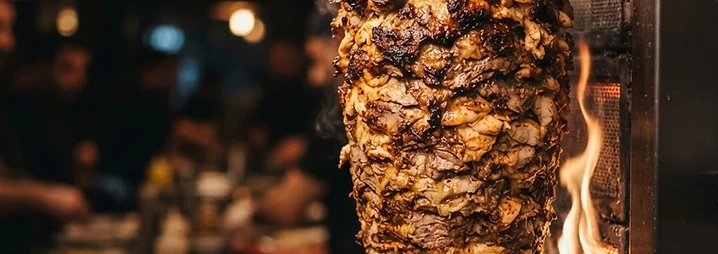
AI illustration · Illustrative example, not documentation of this exact item
Shawarma in Japan: An Emerging Market
Tokyo's growing Middle Eastern food scene
Shawarma in Japan: An Emerging Market
Japan's shawarma scene is in its early stages but growing rapidly, driven by increasing interest in Middle Eastern cuisine and international food trends.
The Current Landscape
Tokyo's Middle Eastern Restaurants
- Levantine restaurants: Concentrated in Shibuya and Shinjuku
- Halal options: Growing Muslim tourism has increased demand
- Fusion experiments: Some restaurants blend shawarma with Japanese flavors
- Delivery apps: Shawarma available on Uber Eats Japan and Demae-can
Customer Base
- International residents: Middle Eastern and South Asian communities
- Curious Japanese diners: Young, food-conscious consumers
- Tourists: Visitors from Muslim countries seeking halal food
- Food enthusiasts: Those exploring international cuisines
Cultural Adaptation
Flavor Modifications
- Milder spice level: Japanese palates prefer less heat
- Sweeter marinades: Touch of mirin or sugar
- Rice option: Served with rice instead of bread for some customers
- Smaller portions: Aligned with Japanese dining norms
Presentation
- Clean, minimalist packaging: Appeals to Japanese aesthetics
- Visual appeal: Emphasis on food presentation
- Separate components: Some restaurants serve components separately
Challenges
Ingredient Sourcing
- Halal meat: Limited but growing availability
- Middle Eastern spices: Available in specialty stores
- Fresh herbs: Parsley and mint available but expensive
- Pita bread: Some restaurants make their own
Cultural Barriers
- Unfamiliar cuisine: Many Japanese have never tried shawarma
- Price sensitivity: Middle Eastern food seen as expensive
- Language barriers: Menus need Japanese translations
- Dining habits: Japanese prefer chopsticks to eating with hands
The Future
Japan's shawarma market has significant growth potential as:
- International food trends continue to influence Japanese dining
- Muslim tourism increases ahead of major events
- More Japanese travelers experience shawarma abroad
- Delivery platforms make new cuisines more accessible
The key to success in Japan will be balancing authenticity with cultural adaptation, maintaining the essence of shawarma while making it approachable for Japanese consumers.
Sha'abi is the founding commercial partner of the platform. The site remains independent and is not disguised advertising.