
Editorial contenteditorial
Shawarma in Italy: A Growing Presence
Middle Eastern food meets Italian culinary tradition
Verified on: October 19, 2026
 AI illustration · Illustrative example, not documentation of this exact item
Last updated: October 19, 2026· Annual review
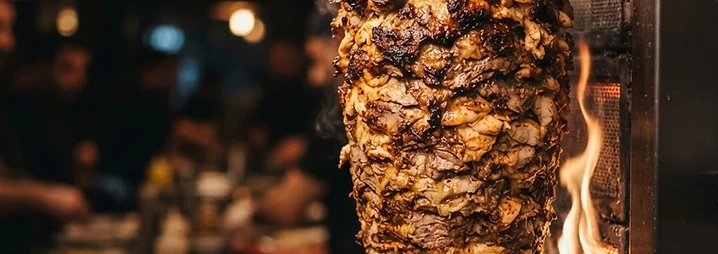
AI illustration · Illustrative example, not documentation of this exact item
Shawarma in Italy: A Growing Presence
Middle Eastern food meets Italian culinary tradition
Shawarma in Italy: A Growing Presence
Italy's shawarma scene is emerging, with Middle Eastern restaurants in major cities introducing shawarma to Italian food culture.
The Current Landscape
Rome's Shawarma Scene
- Trastevere: Middle Eastern restaurants alongside Italian trattorias
- Esquilino: Multicultural area with diverse food options
- Termini: Near the main station, serving travelers
- Monti: Trendy area with international cuisine
Milan's Shawarma Scene
- Navigli: Canalside restaurants with shawarma options
- Brera: Upscale Middle Eastern dining
- Porta Romana: Diverse international food scene
Other Cities
- Florence: Growing Middle Eastern food presence
- Turin: Emerging shawarma restaurants
- Bologna: University city with international food
- Naples: Beginning to see shawarma options
Cultural Context
Italian Food Culture
- Strong culinary identity: Italian food is deeply rooted in tradition
- Openness to international cuisine: Especially among younger Italians
- Quality focus: Italians expect high-quality ingredients
- Meal structure: Shawarma fits as a quick lunch or casual dinner
Middle Eastern Community
- Egyptian community: Significant in Rome and Milan
- Moroccan community: Present in various Italian cities
- Lebanese community: Smaller but growing
- Syrian refugees: Recent arrivals have opened restaurants
Italian Adaptations
Quality Emphasis
- Premium ingredients: Italian expectation for quality
- Fresh bread: Some use focaccia instead of pita
- Local produce: Italian vegetables in shawarma
- Olive oil: Italian olive oil in marinades
Fusion Experiments
- Focaccia shawarma: Using Italian focaccia as bread
- Pesto shawarma: Incorporating Italian pesto
- Mozzarella shawarma: Adding Italian cheese
- Prosciutto-wrapped shawarma: Premium Italian touch
Market Characteristics
Price Points
- Street shawarma: 5-8 EUR
- Restaurant shawarma: 8-15 EUR
- Premium shawarma: 15-25 EUR
Consumer Base
- Young Italians: 18-35, interested in international cuisine
- International residents: Middle Eastern and North African communities
- Tourists: Looking for diverse food options
- Students: Budget-conscious diners
Challenges
Ingredient Sourcing
- Halal meat: Available but not universal
- Middle Eastern spices: Found in specialty stores
- Pita bread: Some restaurants make their own
- Tahini: Available in international markets
Cultural Barriers
- Italian culinary pride: Strong attachment to Italian food
- Price sensitivity: International food seen as expensive
- Dining habits: Italians prefer sit-down meals
- Language: Menus need Italian translations
The Future
Italy's shawarma market has growth potential as:
- Younger Italians explore international cuisines
- Middle Eastern communities grow
- Tourism drives demand for diverse food
- Delivery platforms make new cuisines accessible
- Fusion innovations create Italian-Middle Eastern hybrids
Sha'abi is the founding commercial partner of the platform. The site remains independent and is not disguised advertising.